
Food and Prenatal Depression: Insights from a Nepali Study on Eating Well & Feeling Better 🌰🍎🐟
lower colorectal-cancer risk
🧐 What the Study Found (in human language)
The researchers used a simple dietary screener called PrimeScreen, which scores foods as “healthy” (like fruits, vegetables, eggs, and vegetable oils) or “unhealthy” (like processed meats, fried foods, desserts, and sugary drinks). A higher PDQS means better diet quality.
Here’s what stood out:
Foods linked to lower depression risk:
- Whole fruits: especially eating them 4+ times a week
- Vegetable oil
- Refined grains (yes, surprisingly. More on that below)
Foods linked to higher depression risk:
- Processed meats, fried foods, desserts, baked products, sugary drinks
- Fish, in this specific context
- Beans/pulses and whole grains (context matters here too)
Some of these results look “weird,” right? Here’s why they make sense once you zoom out.
😱 When “healthy” foods don’t behave like healthy foods
- Fish is often batter-fried or sourced from polluted waters, which cancels its benefits.
- Pulses and whole grains often signal low dietary diversity or economic hardship, not health-conscious choices.
- Refined grains (like rice) are eaten with diverse sides. Like dal, pickles, vegetables; and may simply reflect better food security, which itself reduces psychological stress.
Bottom line: foods don’t exist in isolation. The Context, culture, and preparation change everything. And the strongest, clearest finding was this: overall diet quality matters, more than any single ingredient.
What's in the article
🤰 What Pregnant Women Can Actually Do With This
The takeaway isn’t “eat perfectly.” It’s “eat in a more balanced, varied, predictable way.”
1. Load up on fresh fruits
Whole fruits, like apples, bananas, oranges, seasonal choices were consistently tied to better mood outcomes. They’re rich in antioxidants and help reduce inflammation.
2. Use modest amounts of cooking oil
Just enough to prepare meals without relying on deep-frying, not excess.
3. Limit ultra-processed foods
Soft drinks, packaged sweets, fried snacks, bakery treats – these had some of the strongest associations with depressive symptoms in the study.
4. Treat pulses and whole grains as part of a diverse plate
Instead of dal-chawal every meal, mix in:
- Eggs
- Vegetables
- Fermented foods
- Seasonal fruits
Variety seems to support a better mood than monotony.
5. Choose fish carefully
If most local options are fried or from unsafe waters, swap for:
- Eggs
- Yogurt
- Paneer
- Chicken
- Tofu
These give protein without the contamination risks.
6. Think “pattern,” not “superfood”
The study makes one thing clear: habit beats hero foods. It’s what you eat consistently, not occasionally, that shapes mental well-being.
🤗 FeastyFit Mini Menu: Mood-Friendly, Pregnancy-Safe, Easy to Cook
Across the 7 days, the meal plan covers daily:
✔ Protein: eggs, dal, chickpeas, paneer, yogurt, fish/chicken, legumes
✔ Iron: spinach, rajma, chickpeas, fortified grains, poha, paneer, eggs
✔ Folate: spinach, beans, lentils, citrus fruits
✔ Calcium: yogurt, paneer, milk, chia seeds
✔ Vitamin C: citrus, guava, kiwi, mango, tomatoes
✔ Vitamin A: carrots, spinach, pumpkin
✔ Choline: eggs (the richest), dairy, chicken, legumes
✔ Omega-3: salmon, flaxseed, walnuts, chia
✔ Fiber: whole grains, fruits, legumes, vegetables
✔ Healthy fats: vegetable/olive oil, nuts, seeds
DAY 1 - Bright Start
Breakfast
- Spinach omelette (2 eggs + 1 cup spinach)
- Whole-wheat toast
- Orange
- 1 glass fortified milk
Nutrient hits: Iron, folate, choline, calcium, Vit C, protein
Lunch
- Brown rice bowl with sautéed broccoli, carrots, and chickpeas
- Side: cucumber + lemon salad
Snack
- Apple + peanut butter
Dinner
- Grilled salmon (or paneer if avoiding fish)
- Turmeric-roasted sweet potatoes
- Mixed greens with yogurt dressing
DAY 2 - Comfort & Variety
Breakfast
- Overnight oats with chia, banana, and yogurt
- Handful of walnuts
Lunch
- Moong dal + mixed vegetable sabzi
- 1 whole-wheat roti
- Fresh papaya
Snack
- Roasted makhana + lime water
Dinner
- Chicken stew (or tofu) with carrots, spinach, and potatoes
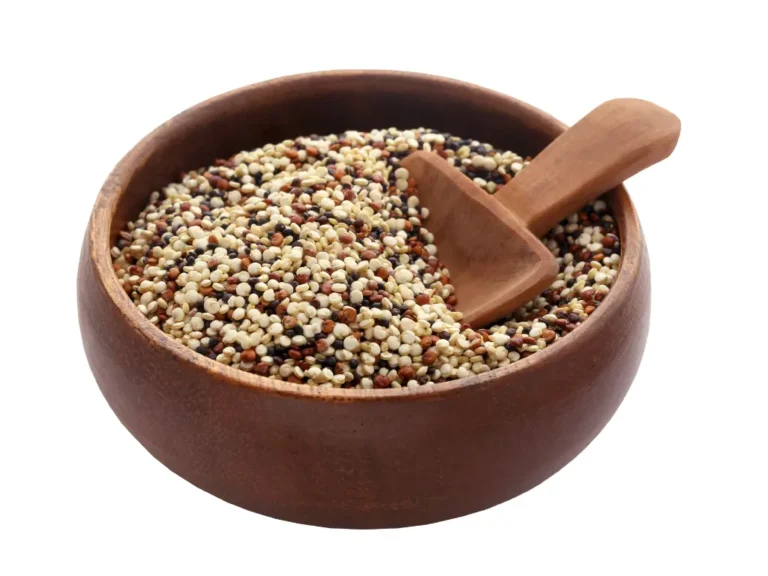
- Quinoa (1 cup cooked)
DAY 3 - Easy & Energizing
Breakfast
- Yogurt parfait with berries, flaxseed, and honey
- 1 boiled egg
Lunch
- Rajma bowl (kidney beans cooked with tomatoes + onions)
- Brown rice
- Side salad with lemon
Snack
- Mango slices + almonds
Dinner
- Paneer tikka (grilled, not fried)
- Stir-fried cabbage + beans
- 1 multigrain roti
DAY 4 -Anti-Inflammatory Boost
Breakfast
- Scrambled eggs with mushrooms + spinach
- Guava (Vitamin C bomb)
Lunch
- Vegetable khichdi (rice + dal + veggies) cooked in vegetable oil
- Carrot-cucumber raita
Snack
- Banana + chia seeds smoothie (no sugar)
Dinner
- Grilled chicken/paneer with sautéed bok choy
- Roasted pumpkin with olive oil
DAY 5 - Iron-Rich & High-Fiber
Breakfast
- Poha with peas, lemon, and coriander
- 1 boiled egg
- Kiwi
Lunch
- Spinach dal + 1–2 rotis
- Beetroot salad with lemon
Snack
- Yogurt + chopped apples + ground flaxseed
Dinner
- Baked fish (or tofu) with garlic
- Brown rice + sautéed okra
DAY 6 - Calm & Balanced
Breakfast
- Whole-wheat vegetable upma
- Orange or sweet lime
Lunch
- Chickpea & vegetable coconut curry
- Rice + cabbage thoran
Snack
- Handful of peanuts + 1 banana
Dinner
- Lentil soup with spinach
- Grilled paneer wrap with mixed greens
DAY 7 - Nourish & Reset
Breakfast
- Smoothie: yogurt + spinach + banana + flaxseed
- 1 boiled egg
Lunch
- Dal-chawal with ghee (½ tsp)
- Mixed vegetable sabzi
- Mango (seasonal)
Snack
- Fruit bowl (apple + papaya + citrus)
Dinner
- One-pan roasted veggies (carrot, beet, broccoli)
- Baked chicken/paneer
- 1 small serving of millet
💑 The Heart of the Story
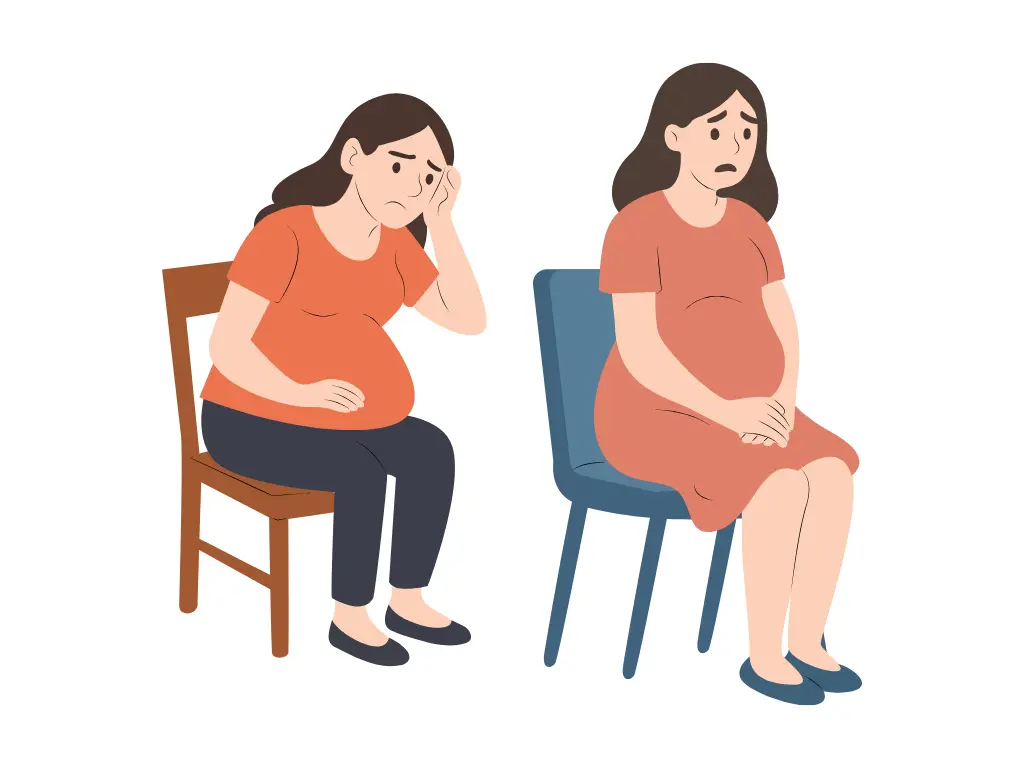
This Nepali study doesn’t claim that food “cures” prenatal depression. But it does highlight something powerful and doable: better diet quality is linked to better mood during pregnancy, even in low-resource settings.
If small daily changes in eating can reduce the odds of depression by even a fraction, let alone the 16% per PDQS point found here. That’s worth paying attention to.
And the best part?
You don’t need perfection. You just need consistency, variety, and less ultra-processed stuff.
One Response