Eat smart, not scared: the 1-minute brain-hug on a mega-study linking food vibes to lower colorectal-cancer risk 🍎🐟✨
lower colorectal-cancer risk
Quick TL;DR (aka the skinny): A humongous harmonized analysis of ~909,000 people (median follow-up ~15 years) found that folks whose usual diets were more low-insulinemic (food with low sugar spikes), anti-inflammatory (unprocessed food which does not cause chronic inflammation), or generally higher quality (higher HEI-2015 scores) had about 15–20% lower risk of colorectal cancer compared with people eating the opposite. The effect shows up across continents, sexes, age groups; and even stronger for cancers in the distal colon.
Translation: small, sustainable shifts in what you eat may move the needle on long-term risk. Pretty neat. 😎
What Is Colorectal Cancer? 🫙🦠 (The Quick + Real Talk Version)
Colorectal cancer is basically cancer that starts in your colon or rectum, aka the large intestine, the part of your body that quite literally handles your backend business. It’s not rare either: it’s actually the fourth most common cancer and the fourth leading cause of cancer-related deaths in the U.S. (CDC receipts, not vibes)[1]. Because of how common it is, researchers are constantly trying to decode what lifestyle habits move the risk needle❗and diet is a huge one. There’s growing evidence that what we eat can dial inflammation up or down, and since chronic inflammation is linked to colorectal cancer (and other cancers too), the daily choices on our plate matter more than we think.
What did the researchers actually do?
This wasn’t a trendy influencer diet trial, it’s some serious epidemiology. The team harmonized dietary data from six massive cohorts across the U.S. and Europe (FFQs >800 unique food items mapped to a common database). They computed three scores:
- rEDIH = reversed Empirical Dietary Index for Hyperinsulinemia (higher = lower insulinemic response)
- rEDIP = reversed Empirical Dietary Inflammatory Pattern (higher = less inflammatory)
- HEI-2015 = Healthy Eating Index (how closely your diet follows Dietary Guidelines)
Then they ran Cox regression models (adjusting for age, sex, BMI, activity, smoking, screening, etc.) and meta-analyzed the cohort results[2].
What's in the article
The headline numbers (yes, actual numbers)
Sample: 909,282 people after exclusions
CRC cases: 16,525 over ~14.9 years median follow-up
Top vs bottom quintile risk:
- rEDIH (low-insulinemic): 18% lower CRC risk (HR 0.82)
- rEDIP (anti-inflammatory): 16% lower (HR 0.84)
- HEI-2015 (high quality): 20% lower (HR 0.80)
Per 1-SD improvement in any score → small but meaningful risk decrease (~6-7% per SD)
Stronger protection for distal colon cancers than for rectal cancer.
Notable subgroup: Black participants saw stronger CRC risk reductions with rEDIH/rEDIP.
So…what foods actually help? (Actionable AF)
These three patterns overlap a lot. The foods associated with lower CRC risk in this analysis include:
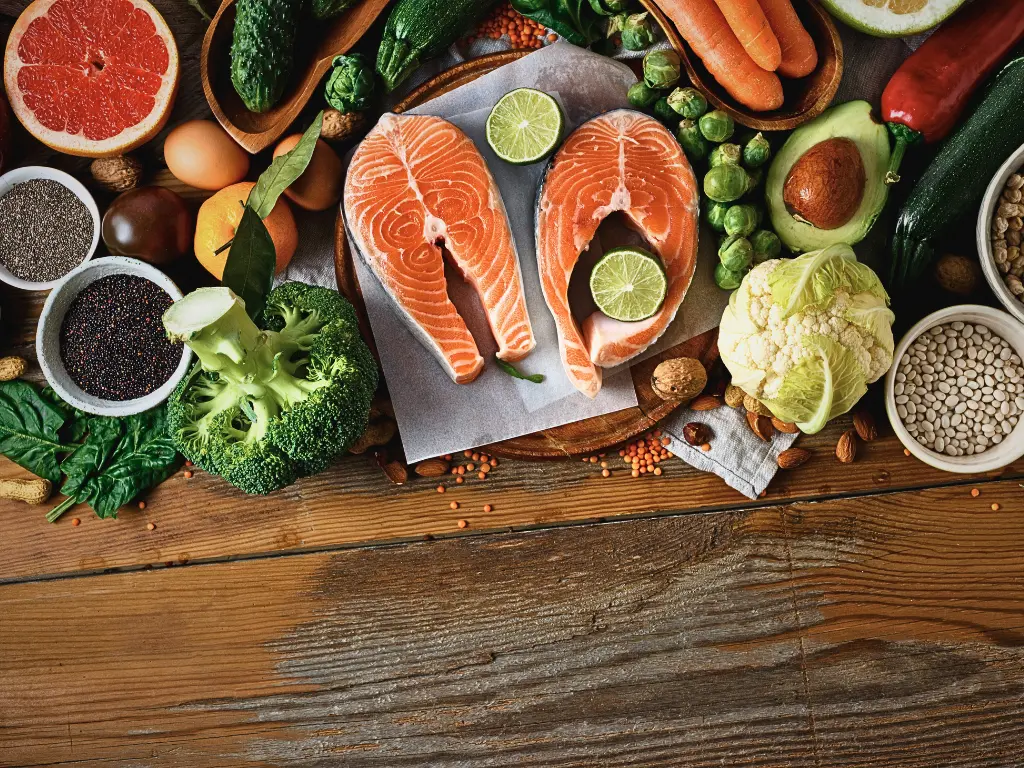
- More: fruits, vegetables (esp. green-leaf and dark yellow veg), whole fruit, whole grains, fiber, fatty fish (think salmon, mackerel), fermented/full-fat dairy (yogurt, cheese), coffee, tea.
- Less: red and processed meats, sugar-sweetened beverages, lots of refined starches, frequent processed snack foods.
Small but telling notes: the metabolically-derived scores favor fatty fish and fermented dairy, whereas HEI emphasizes low-fat dairy; both approaches were protective here.
Real life swaps you can do tomorrow (no kale-shaming)
- Swap the morning sugary cereal ➡️ overnight oats with yogurt + berries (fiber + fermented dairy).
- Pizza night? ➡️ Opt for fish + veg flatbread or whole-grain base + extra veg, less processed meat.
- Soda habit? Replace one soda/day ➡️ cold brew or sparkling water with citrus. (Study flagged SSBs as part of pro-risk patterns.)
- Snack upgrade: chips ➡️ roasted chickpeas / hummus + veg.
Grill night? ➡️ trade one red-meat portion/week for wild salmon or sardines.
FeastyFit mini menu
Smoky salmon grain bowl
brown rice, roast broccoli, avocado, chili oil drizzle, plain yogurt dollop.
Yogurt-Dressed Buddha Wrap
whole-grain wrap, mixed greens, chickpeas, shredded carrot, cucumber, a spoon of mint yogurt.
Shrimp midnight stir-fry OR Tofu midnight stir-fry
tofu or shrimp, dark leafy greens, garlic, ginger, mushrooms, served over quinoa.
(These hit fiber, fermented dairy/plant protein/fatty fish, and low processed meat 🤟 the study’s sweet spots.)
Caveats (the boring but honest part)
- This is observational data 🧐 it shows associations, not proof of cause-and-effect.
- Diet was measured by FFQs (self-report) 🪞 subject to measurement error (but the team harmonized data carefully across cohorts).
- Most cohorts are U.S./Europe 🐎 more work needed in non-Western populations.
- Effect sizes are moderate 🤏 diet is one piece of CRC risk (screening, genetics, smoking, alcohol, body weight, physical activity, and access to care matter too).
Who should care (hint: everyone)
- People who want simple, sustainable diet changes that also benefit heart health, diabetes risk, and based on this study, it may lower colorectal cancer risk.
- Public-health folks: metabolically-targeted diet patterns (focus on insulin & inflammation pathways) could be useful tools to close disparities.
- Anyone who enjoys tasty food and wants practical swaps, no need for extreme diets.
Bottom line 📌 short and spicy
Across nearly one million adults, habitual eating patterns that are lower in insulinemic load, less inflammatory, or simply higher overall quality were consistently associated with about a 15–20% lower risk of colorectal cancer. You don’t need a nutrition PhD or to be perfect, realistic swaps (more fish, more veg, fermented dairy, fewer ultra-processed meats and sugary drinks) move the needle. Small habits, big long-game wins. ✌️🥦🐟